Why Paver Sealing Is the Step Most South Florida Homeowners Skip Until It Is Too Late
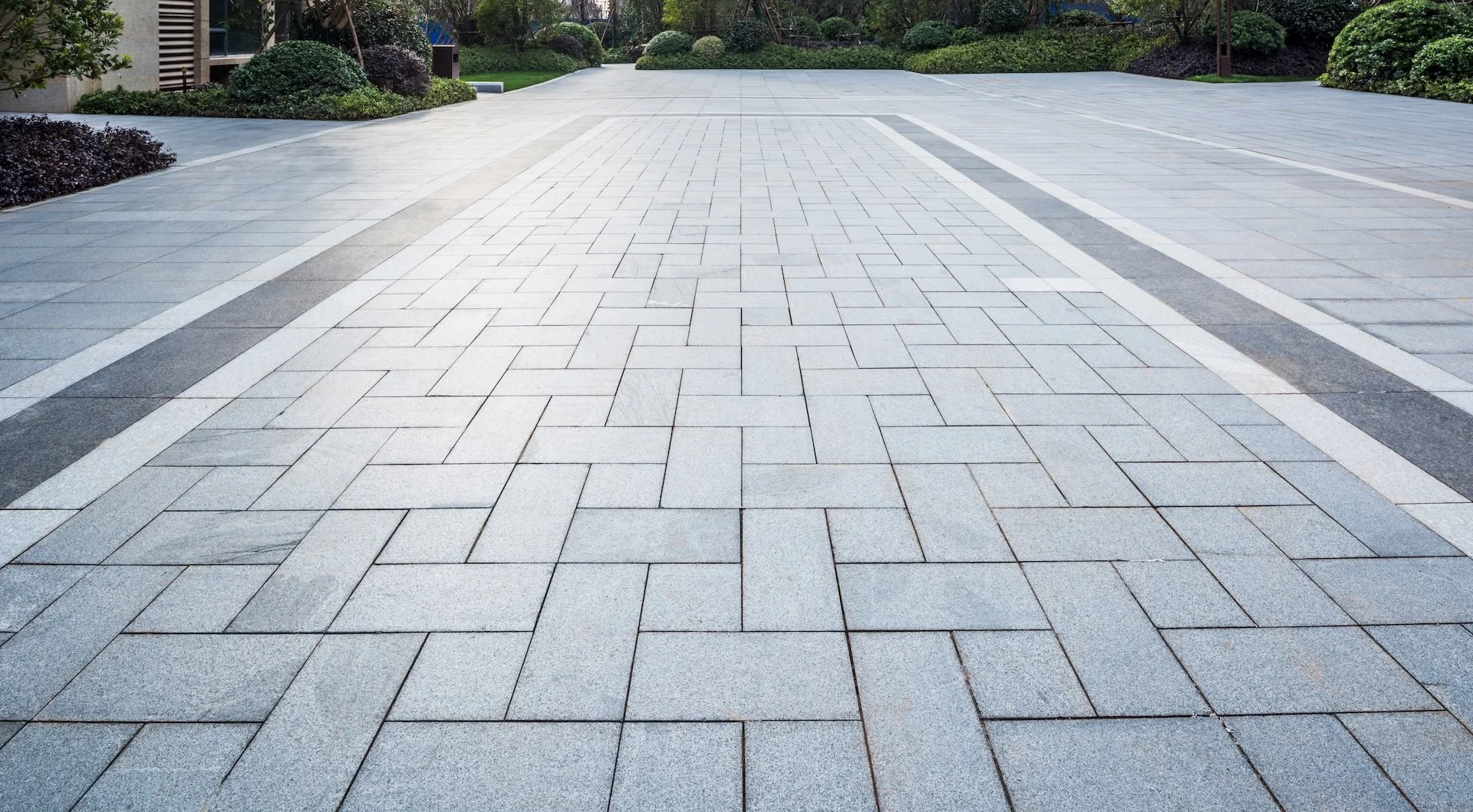
Your pavers looked incredible the day they were installed. The color was rich. The joints were clean. The surface had a finish that made the whole outdoor space feel polished and intentional. But in South Florida, that first impression has an expiration date if the surface is not sealed.
Paver sealing is the most commonly skipped step in hardscape maintenance, and it is also the one that has the most visible impact when it is finally done or the most visible consequences when it is not.
What the Sun, Rain, and Sand Are Doing to Your Pavers
South Florida's climate is relentless on hardscape surfaces. The UV exposure alone is enough to fade pigment in concrete pavers within a year or two. Add daily humidity, afternoon downpours during the wet season, and the fine sand that works its way into every joint, and you have a combination that accelerates wear faster than most homeowners expect.
Without paver sealing, several things happen in a relatively short window. Joint sand washes out, which loosens the interlock between pavers and allows shifting. Organic material settles into the pores of the surface, creating conditions for mold, mildew, and algae to establish themselves. Weeds and grass push up through open joints. And oil, grease, and rust stains from patio furniture, grills, and pool equipment become permanent once they penetrate an unsealed surface.
None of these problems are structural failures. They are surface failures that make a well built patio, pool deck, or driveway look neglected long before its time.
What Paver Sealing Actually Does
A proper paver sealing job is not just about spraying a coating on the surface. The process starts with a thorough cleaning, usually involving pressure washing and in some cases chemical treatment to remove existing mold, efflorescence, or staining. Once the surface is clean and dry, polymeric sand is applied or replenished in the joints to stabilize the pavers and prevent weed growth and insect intrusion.
Then the sealer is applied. Depending on the finish you want, sealers range from a natural matte look that preserves the original appearance to a wet look that deepens the color and adds a slight sheen. Either way, the sealer creates a barrier that protects against:
UV fading that dulls the color of the paver over time
Water penetration that leads to mold, mildew, and efflorescence
Oil and grease stains from grills, furniture, and pool equipment
Weed and ant intrusion through joint sand
Joint sand erosion from rain and irrigation runoff
The result is a surface that looks restored, stays cleaner longer, and requires far less effort to maintain between service visits.
When to Seal and How Often
For new installations, most manufacturers recommend waiting at least 60 to 90 days before sealing to allow any residual efflorescence to work its way out. After the initial seal, most properties in South Florida benefit from resealing every two to three years depending on sun exposure, foot traffic, and proximity to the pool or coast.
If your pavers have not been sealed since they were installed, or if the color has started to fade and weeds have moved into the joints, the surface can almost always be brought back. It just takes the right process applied at the right time.
We are always happy to come take a look at your pavers and let you know where they stand.