
Pavers Ideas
How to Choose a Paver Contractor: A Complete Guide
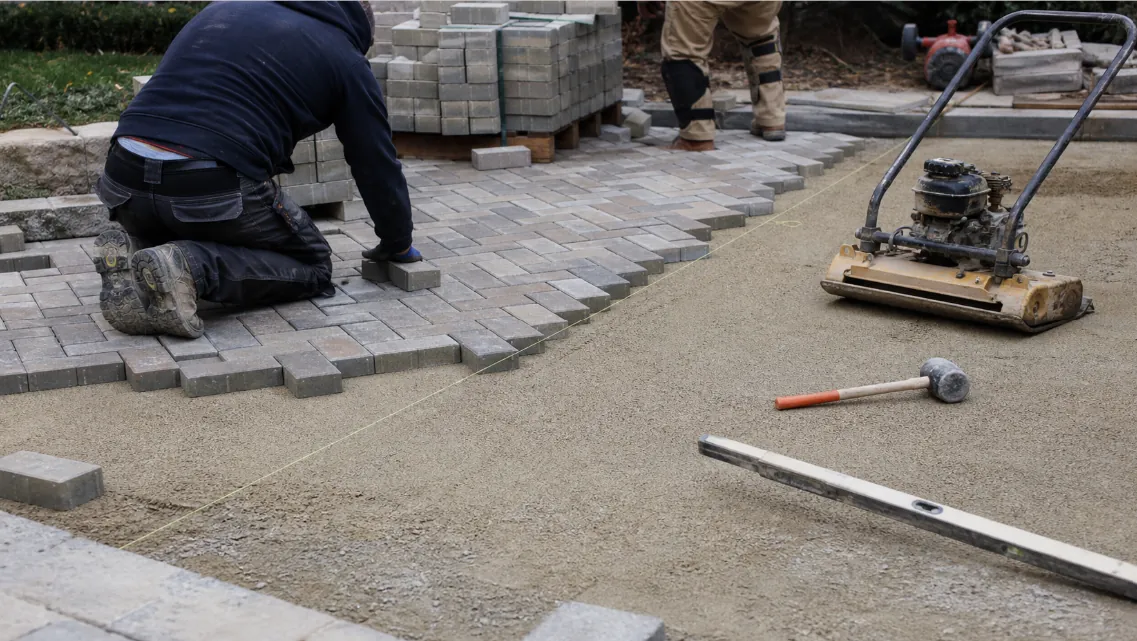
Here is the truth most homeowners learn too late: the pavers you pick matter far less than the crew that installs them. The finest stone laid over a poor base will sink and separate within a couple of seasons, while an ordinary paver installed correctly will stay flat and beautiful for decades. Almost everything that determines whether your investment lasts is decided by the contractor, and much of their work is buried out of sight where you can never inspect it later. That is exactly why choosing the right one deserves real attention. This guide walks through how to do it well.
Why the contractor matters more than the material
A paver surface is a system: excavation, a compacted stone base, edge restraints, drainage, a sand setting bed, and finally the pavers on top. You only ever see the last layer. Everything holding it up is hidden. A contractor who cuts corners on the base or skips the drainage produces a surface that looks perfect on the final day and fails a year later, long after the check has cleared. So the goal is not to find the cheapest bid. It is to find the contractor most likely to build the part you cannot see correctly.
Verify license and insurance first
This is the non-negotiable starting point. A properly licensed contractor has met real requirements and can be held accountable. Insurance matters just as much: if a worker is injured on your property or your home is damaged and the contractor is uninsured, the liability can land on you. Ask for proof of both, and do not treat it as rude. A reputable company expects the question and answers it easily. Be cautious with anyone who is evasive here, because unlicensed, uninsured work is where the worst outcomes happen.
Look for experience and specialization
Pavers are their own craft. A general handyman who occasionally lays pavers is not the same as a company that installs them every day and understands base preparation, drainage, slope, and pattern work. Ask how long they have been doing paver work specifically, and whether they can show you completed projects similar to yours. Industry credentials, such as membership in a hardscape institute, are a good sign that the crew has been trained to real standards rather than learning on your driveway.
Read the estimate carefully
A good estimate is detailed and transparent. It should spell out the depth of the base, the type and depth of the stone, the edge restraints, the drainage approach, and exactly what is and is not included. A vague one-line quote is a warning sign, and so is a bid that comes in dramatically lower than the others. That lowball number is often a surface-only price with a thin base and no drainage, which sets up the change orders and the early failure later. Understanding what a proper base involves is easier once you have read about the subbase mistakes that ruin a driveway. When comparing estimates, compare what is actually included, not just the totals.
The questions worth asking
A short list separates the professionals from the rest quickly:
- How deep is the base you will install, and what material do you use?
- How will you handle drainage and slope so water runs away from the house?
- Do you install edge restraints around the perimeter? The reason those matter is covered in our guide on the best edging for pavers.
- Is your crew your own employees or subcontractors?
- What warranty do you provide on the labor, and what is covered by the manufacturer on the pavers?
- Will you handle the permits and any HOA approvals?
- How do you protect the site and clean up each day?
You are listening less for perfect answers than for clear, confident, specific ones. Vague or annoyed responses tell you what working with them will be like.
Understand the warranty
Two separate warranties apply to a paver project: the manufacturer’s warranty on the pavers themselves, and the contractor’s warranty on the workmanship. The second one is the meaningful one, because most problems come from installation, not the product. Get the labor warranty in writing, understand what it covers and for how long, and remember that a warranty is only as good as the company standing behind it. A contractor who has been in business for many years and has a real office is far more likely to be there if you ever need them.
Check reviews and real work
Read recent reviews, and look for patterns rather than single opinions: communication, cleanliness, showing up when promised, and how the company handled any problem. Then ask to see actual completed projects, ideally in person or through a real portfolio. A confident contractor is glad to show you their work and connect you with past clients.
Watch for the red flags
A few warning signs should make you slow down:
- Demanding a large cash deposit up front, or cash only
- No written, itemized contract
- No verifiable license, insurance, or physical business address
- High-pressure tactics or a price that is only good “today”
- A bid far below everyone else’s
- Reluctance to explain the base, drainage, or warranty
Any one of these is a reason to keep looking. Good contractors are busy, transparent, and patient with your questions.
The bottom line
Choosing a paver contractor is really about protecting the part of the project you will never see. Verify the license and insurance, favor genuine paver specialists, insist on a detailed estimate, ask the questions above, and get the warranty in writing. Do that, and you dramatically raise the odds of a surface that still looks beautiful in twenty years. If you would like a transparent estimate with the base, drainage, and edge restraints all spelled out, we are glad to help. Call 954-779-1855 or email office@perfectpavers.com and we will walk you through exactly what your project needs.