
Pavers Ideas
How to Stop Weeds Growing Between Pavers
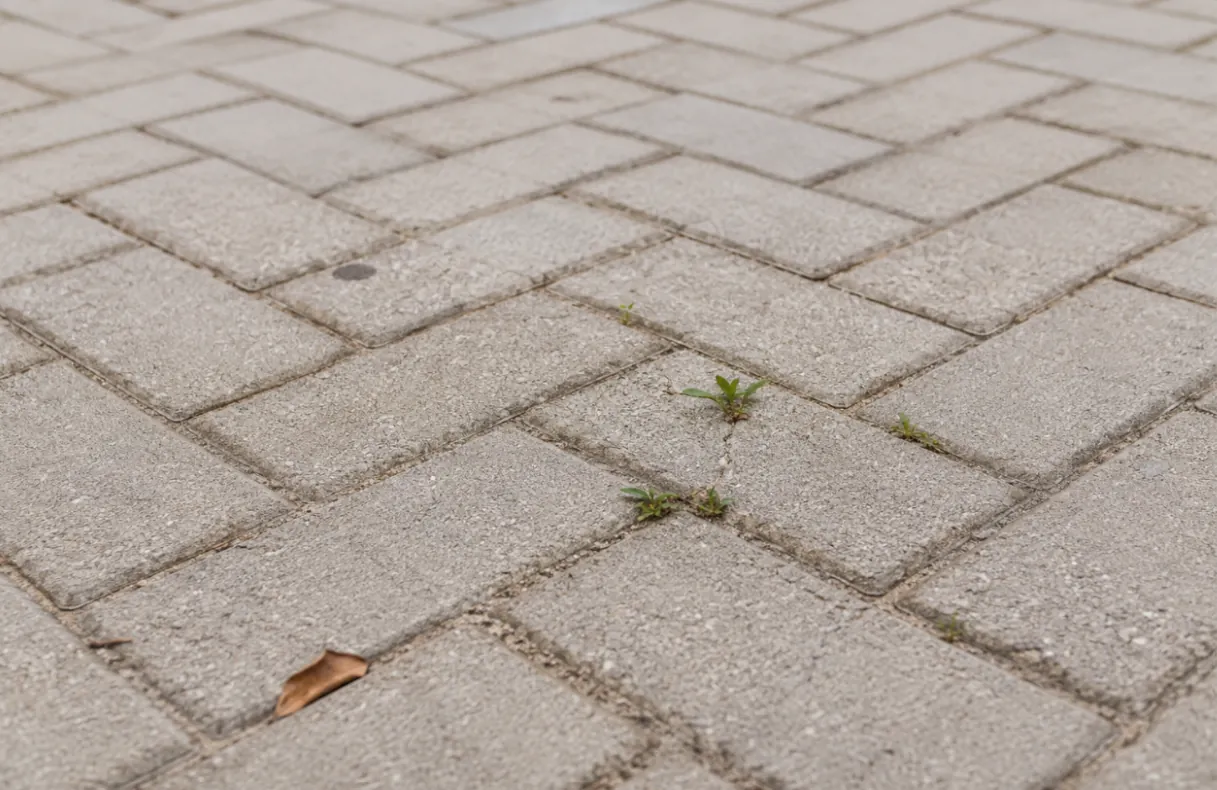
Weeds in the joints are one of the most common paver complaints, and one of the most misunderstood. The good news is that weeds are not growing up from under your pavers. They are sprouting from seeds that blow in and settle in the sand between them. Once you know that, the fix becomes obvious: close off the joints and keep them full, and you take away the place weeds need to grow. Here is how to do it, and what to avoid.
Why weeds grow between pavers in the first place
Airborne seeds land on the surface, wash into the gaps with rain, and germinate in the thin layer of sand and dust that collects there. They are not rooted in the base under your pavers. That is why weeds tend to show up in the same spots year after year: the shady, damp joints where sand has settled and organic debris has built up. Solve the joint, and you solve the weed.
The real fix: seal the joints with polymeric sand
The single most effective thing you can do is replace ordinary joint sand with polymeric sand. This is a fine sand mixed with a binder that hardens when you wet it. Once it cures, it locks into a firm, slightly flexible joint that seeds cannot easily settle into or push through.
The process is straightforward:
- Clear the old sand and any existing weeds out of the joints.
- Let the pavers dry, then sweep polymeric sand into the gaps until they are full.
- Mist it with water as directed so the binder sets.
Full, hardened joints do double duty. They block weeds, and they keep the pavers from shifting. It is the same reason joint sand matters so much for the overall stability of the surface.
Keep the joints full and sealed
Even the best joint breaks down over time. Pressure washing, heavy rain, and normal traffic all pull sand out of the gaps, and a low joint is an open invitation for the next seed. Two habits keep weeds from coming back:
- Top up the joint sand whenever you can see the level dropping below the paver chamfer.
- Seal the pavers every few years. A sealer helps hold the joint sand in place and makes the whole surface easier to keep clean.
If you already had the surface professionally cleaned and re-sanded, this is mostly a matter of light upkeep rather than starting over.
Pull the ones that appear, early
No joint is perfectly weedproof forever, so a few will still turn up. Pull them while they are small and before they seed. Because the roots sit in the shallow joint and not in the base, young weeds come out easily by hand or with a thin weeding knife. A quick pass every couple of weeks in the growing season keeps the surface clean and stops a handful of weeds from becoming a carpet.
What not to do
Some popular home remedies cause more harm than the weeds:
- Salt. It does kill weeds, but it also stays in the soil and joint, draws moisture, and can damage nearby plants and the joint over time. Skip it.
- Bleach. It can discolor pavers and joint sand, and it runs off into your landscaping and the water table. Not worth the risk on a surface you want to keep looking good.
- Scraping the joints out and leaving them empty. An empty joint fills with dust and seeds within weeks and weeds come back stronger. Always refill.
- Blasting with a pressure washer set too high. It strips the sand out of the joints and creates the exact bare gaps weeds love. Clean gently, then re-sand.
Boiling water and a targeted spot spray on a stubborn weed are fine in a pinch. The lasting fix is still a full, sealed joint.
The bottom line
Weeds between pavers are a joint problem, not a foundation problem. Fill the gaps with polymeric sand, keep them topped up, seal the surface every few years, and pull the occasional straggler while it is small. Do that, and the weeds have nowhere to take hold.
If your joints are washed out and weeds keep coming back across a South Florida driveway, patio, or pool deck, it may be time for a proper clean and re-sand. Reach out for a free on-site visit and we will get the surface back to a clean, sealed, low-maintenance finish.