
Pavers Ideas
Paver Sealer Stripping: Agree on a Test Area First
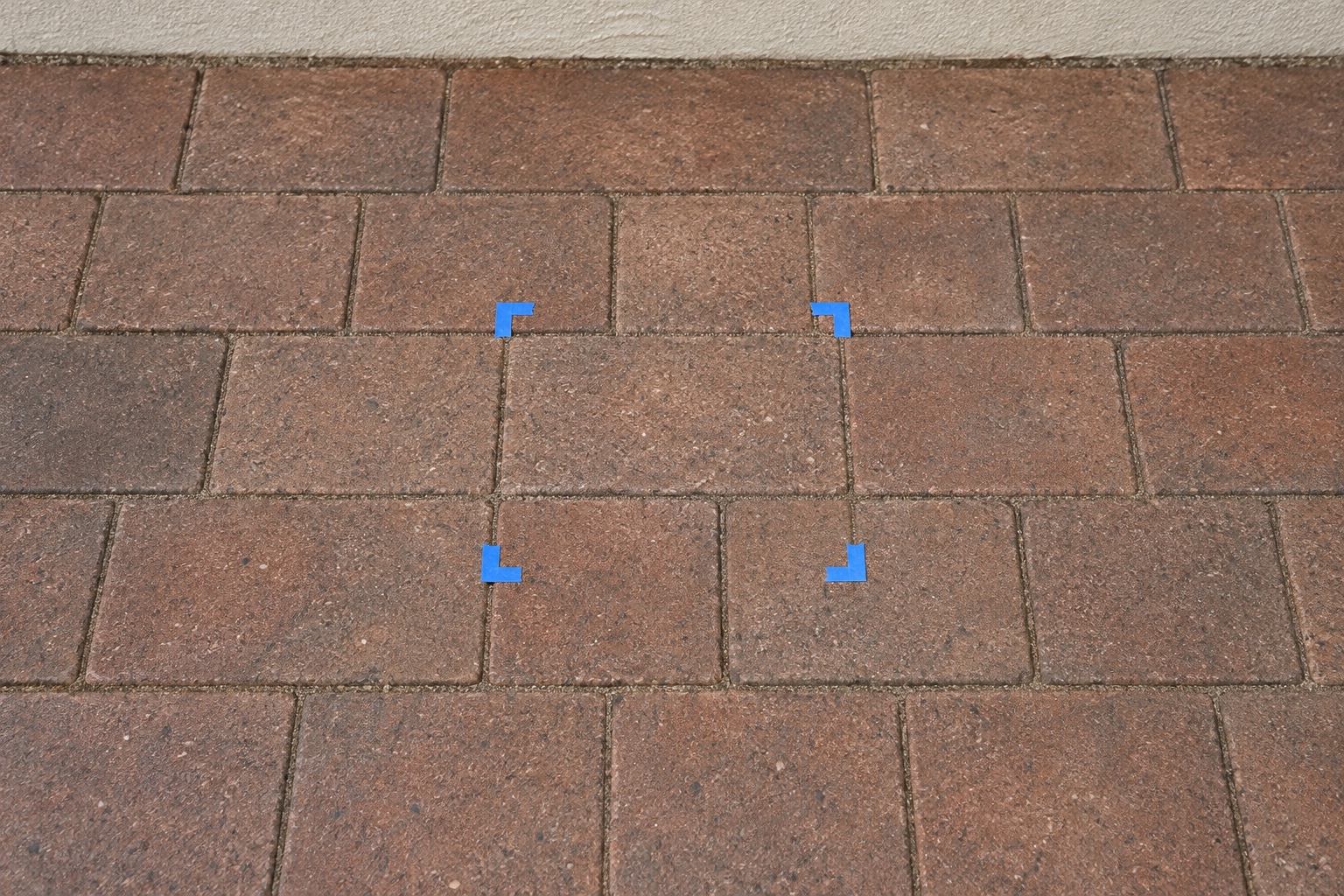
AI illustration: marked assessment area on existing pavers, not a project photo or test result.
Before approving paver sealer stripping across your driveway or patio, agree on a small test area and a decision point afterward. Have the contractor first assess whether removal is appropriate and whether the proposed product suits the surface and existing coating. Record where the test will happen, who handles protection and residue, how the cleaned and dried result will be reviewed, and what happens if it remains unacceptable or inconclusive.
For a Parkland homeowner, paver cleaning and sealing services should connect that initial assessment to a defined next step. Authorizing a limited removal test and authorizing treatment across the property are separate decisions. Put the boundary between them in writing.
Give the contractor a coating history
Gather previous invoices, product names, container photographs and known application dates. Note which areas received later touchups or were installed separately. If the records are incomplete, label those details unknown. A remembered finish description does not establish what every layer contains.
Take a wide photograph showing the whole area, then closer views of the locations you want assessed. Record whether the surface was dry and identify each view on a simple sketch. Keep the original files so there is a useful starting record before anything changes.
If your first concern is a milky appearance, our guide to cloudy paver sealer before resealing addresses that earlier assessment. This decision comes next: once removal is proposed, what evidence will you require before approving more of it?
Define what the test must establish
Ask the contractor to identify the proposed removal product, its suitability for the known coating and pavers, and any unresolved compatibility questions. The test should help establish both whether removal is workable and whether the remaining surface is something you can accept. Finding that more investigation is needed is a useful result.
CMHA’s Cleaning, Sealing and Joint Sand Stabilization of Interlocking Concrete Pavement supports inspection, small treatment trials, following manufacturer instructions and preparing the surface before sealing. Its guidance reinforces the need to evaluate the selected treatment rather than judge suitability from appearance alone.
The Gator Sealer Stripper application instructions provide a narrower product example: the stated coating scope is water-based and solvent-based acrylic sealers. They require testing surface suitability and reaction time, protecting adjacent areas, and disposing of removed coatings under applicable requirements. This does not establish compatibility with every coating or identify a product used by Perfect Pavers.
Keep product selection and technical assessment with the contractor. Your approval should describe the question being tested and the evidence needed to proceed.
Choose a representative location together
A convenient hidden corner may differ from the surface that concerns you most. Walk the area together and identify differences in shade, traffic and known coating layers. Ask why the proposed location represents the work being considered. If it only represents the sheltered patio, record that limitation before drawing conclusions about the driveway.
Agree on the test boundary using an annotated photograph or sketch. Include the selected pavers and any different border material that needs separate consideration. Keep a neighboring untreated area available for comparison, and acknowledge that the tested patch may remain visibly different if the larger project stops.
One patch cannot promise a whole-property result. If different sections have different histories, ask whether they need separate assessment. Additional testing should require a new agreement on location, scope and cost rather than happen automatically.
Put protection and cleanup in the test agreement
Even a small trial needs assigned responsibilities. Identify nearby finishes and belongings, the household route that must remain available, and who communicates when the area can be used again. The contractor should define the protection and residue-management plan for the selected treatment.
Before authorizing the trial, confirm who handles:
- Moving and returning nearby belongings, with existing marks photographed beforehand.
- Protecting adjacent surfaces and managing removed coating, residue and cleanup.
- Documenting the test location, products used and observations for the review.
- Explaining any separate charge for the test and obtaining approval before additional work.
Name the person who can approve that additional work. If someone else manages the property, give them the same marked photograph and written limits. Make sure a request to inspect the test cannot be mistaken for permission to continue across the surface.
Request a consultation with Perfect Pavers and bring your history, photographs and marked area to the property discussion. Our consultation and estimating process explains how that conversation leads to a written proposal. Ask for a limited test scope and an explicit review point before broader removal is authorized.
Agree how you will judge the result
Decide before work begins how the test will be viewed after cleaning and drying as specified for the selected treatment. Have the contractor explain when it is ready for assessment. Arrange the review around those conditions, with household access addressed separately.
Compare the same marked area with the original photographs and adjacent untreated surface. View it from the places where you normally see the patio or driveway, as well as close up. Discuss remaining color variation, visible marks, uneven sheen and the condition of the pavers. Record the contractor’s explanation of unresolved features without turning your observations into a diagnosis.
Agree what remaining appearance you could accept. That might mean accepting documented variation after removal while rejecting an unexplained patch the contractor still needs to assess. Avoid an approval described only as looking better. Record the particular features accepted, those still unresolved and which areas the decision covers.
If a new sealer is proposed afterward, assess that finish separately. Approval of the stripped surface does not settle the appearance of a future coating.
Also distinguish your acceptance of the appearance from the contractor’s assessment of technical readiness for another coating. You can decide whether remaining color variation bothers you; the contractor must resolve whether the prepared surface is suitable for the proposed next treatment. Record both decisions.
Keep damaged pavers in a separate scope
Removing a coating and repairing the material beneath it are different tasks. Document existing chips, missing material or unstable units before the test. If the assessment identifies damaged pavers, have paver repair and replacement needs evaluated separately from the removal proposal.
Sealing cannot be promised to restore missing material. Ask which defects would remain after coating removal and which require physical repair. Keep those decisions visible in the revised scope so an acceptable finish test is not mistaken for approval of every underlying condition.
A documented Broward removal project
Our Broward cleaning and sealing project documents removal of the previous sealer, followed by cleaning and sealing the pavers. It is a relevant example of removal being part of the work, but it does not establish that a test was performed or predict the result at your property.
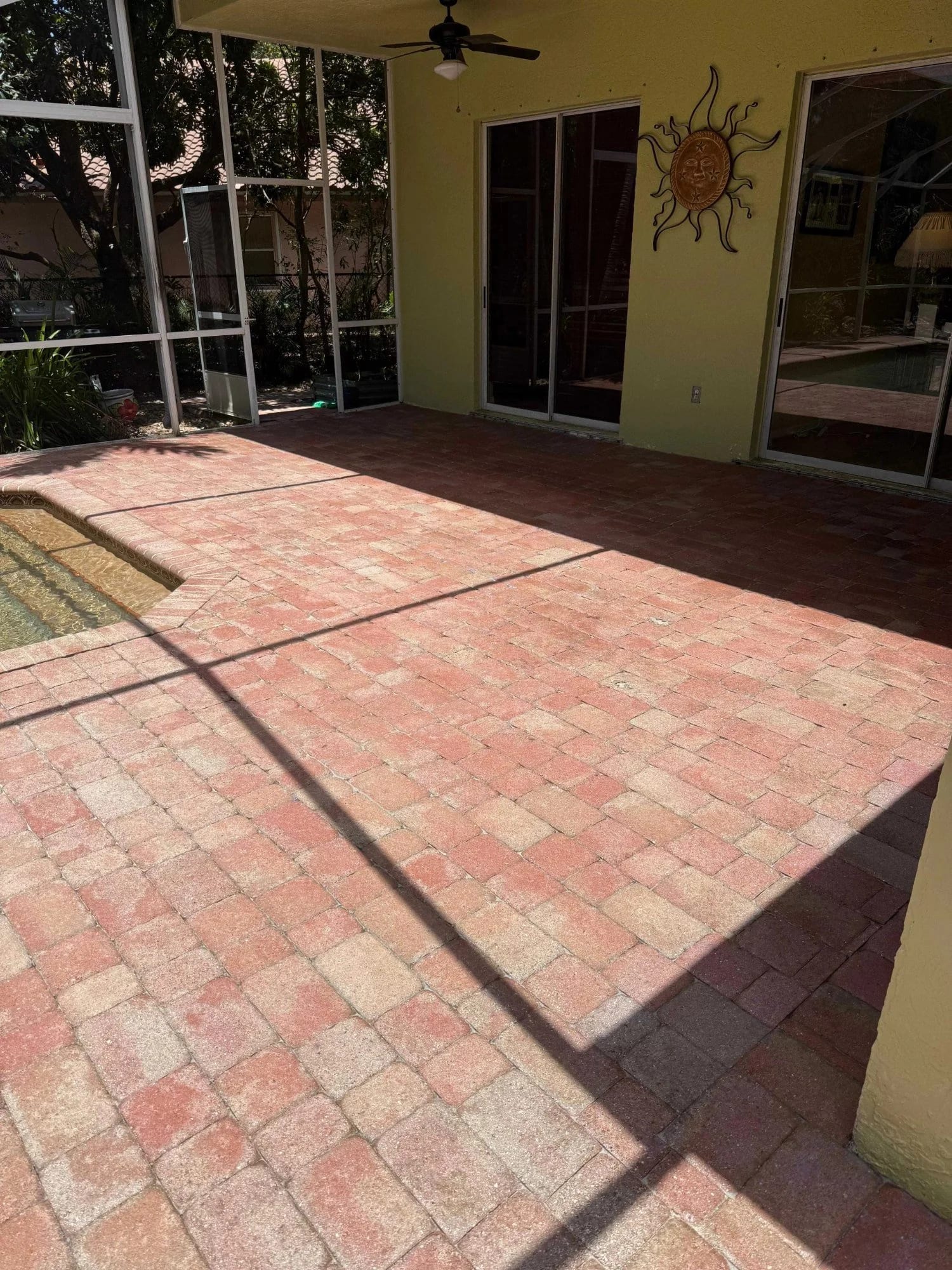
Actual photograph from the Broward County portfolio project; it is not a removal-test record.
Make the next decision explicit
At the review, choose a defined next step: proceed within the assessed scope, authorize further investigation, revise the proposal to include repairs, or stop. If the test is inconclusive, agree what information is missing and who will obtain it before approving another trial. Settle how the tested patch will be left if you do not continue.
For your Parkland property, request a paver cleaning and sealing consultation and share the surface photos and known coating history. Ask the team to assess whether removal is appropriate, define a representative test if warranted, and put the review criteria and next approval in writing. That gives you a concrete decision to make before committing the rest of the surface.