
Landscape Design
Retaining Wall Blocks and Wall Types in South Florida
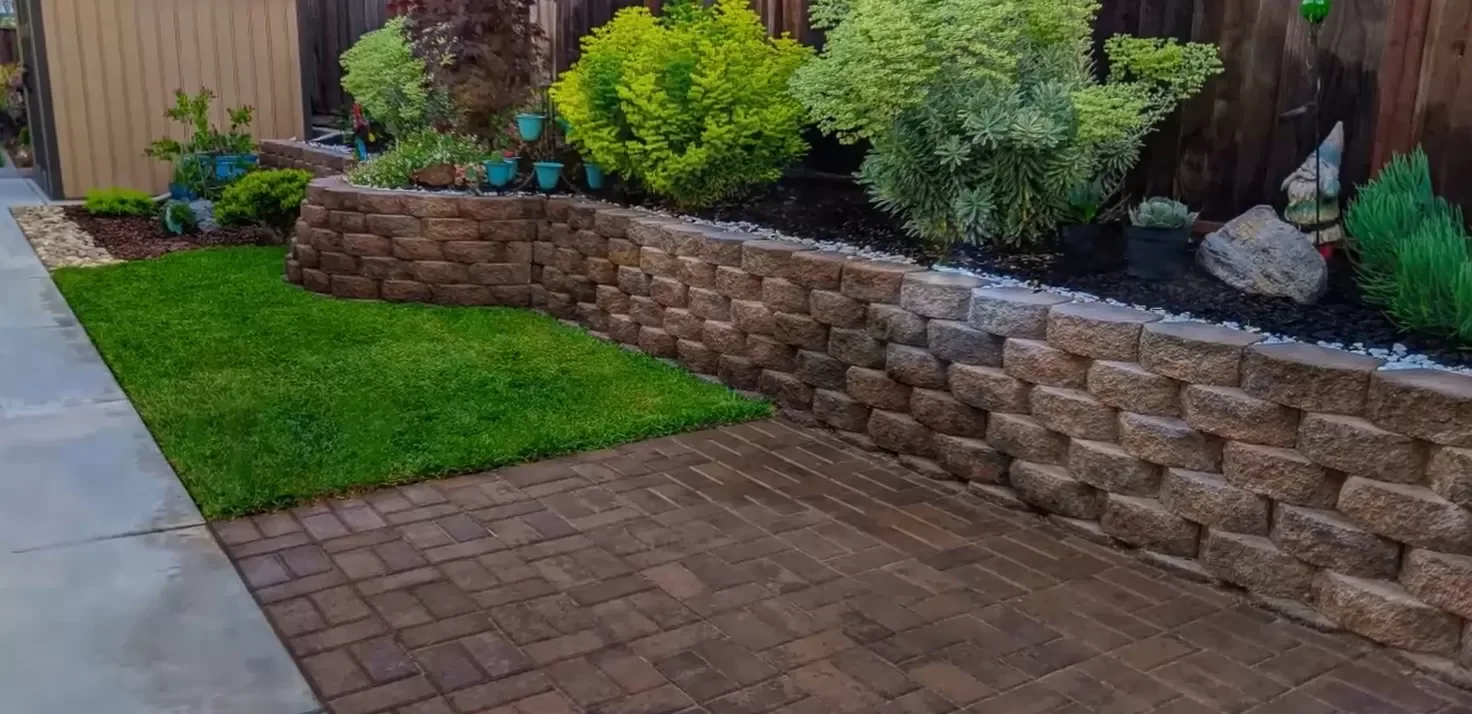
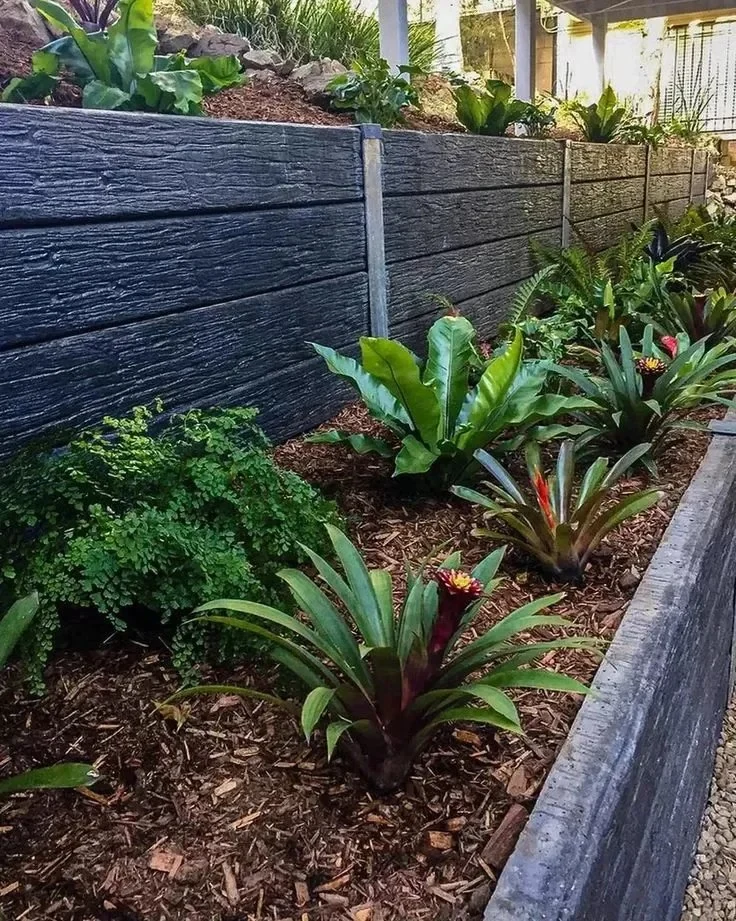
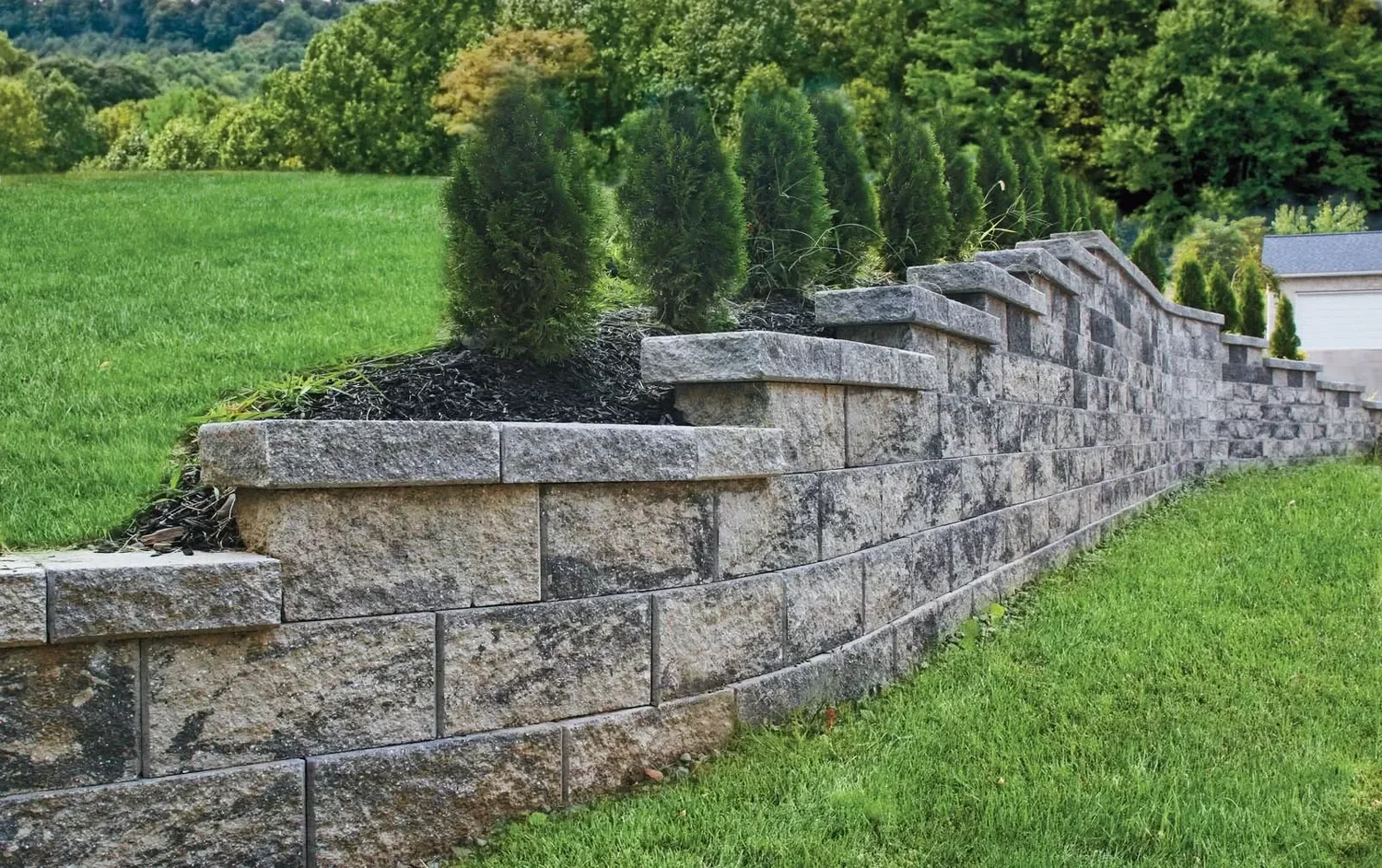
Retaining wall blocks and retaining wall systems are different choices. Segmental concrete blocks are a common landscape wall material; gravity, reinforced-soil, cantilever, sheet-pile and anchored describe ways a wall resists soil pressure. In South Florida, choose the system around retained height, loads, ground conditions and drainage before choosing its finish.
Which retaining wall blocks should you compare?
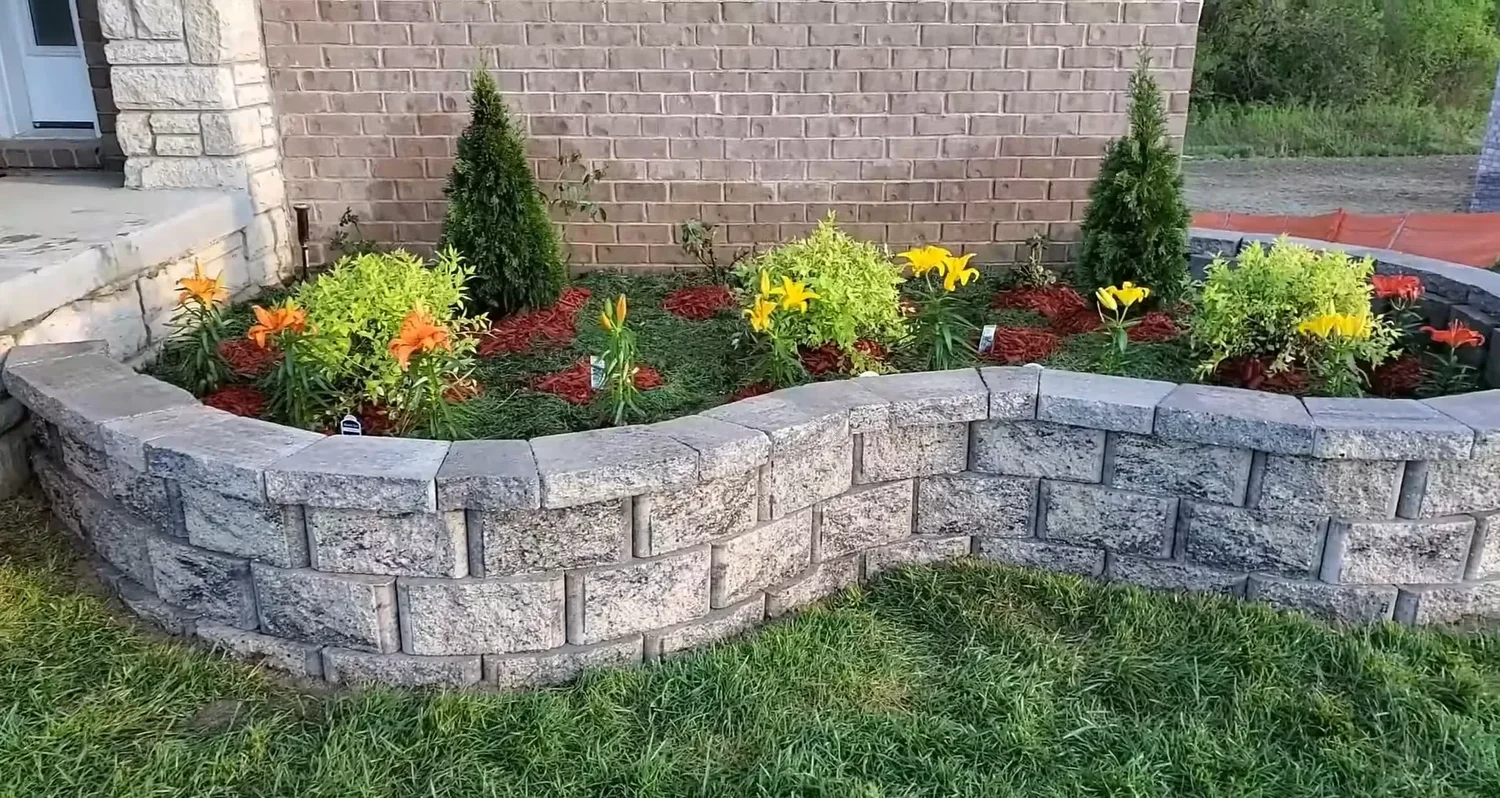
- Segmental concrete blocks: manufactured units designed to work together as a wall system. Check the specific manufacturer’s requirements for the wall height, connections and reinforcement.
- Large concrete units: a different scale of construction, with delivery and equipment access to consider.
- Full-depth natural stone: a material choice with different sizing, workmanship and foundation considerations. A thin stone veneer is a finish, not the retaining structure.
Our more detailed South Florida retaining wall block comparison explains material choices. If you are planning a landscape wall beside a patio, explore retaining walls, seating walls and steps and explain what the wall needs to support during the site assessment.
Gravity and reinforced-soil segmental walls
A conventional gravity wall relies on the wall system’s mass and geometry. A reinforced-soil segmental wall combines the facing units with reinforcement extending into the soil behind it. The CMHA segmental retaining wall design guide distinguishes these systems and explains why soil, loads and drainage belong in the design.
There is no single wall-width-to-height ratio that is suitable for every property. A planter wall and a wall supporting a driveway or raised pool deck can face different demands even when they look similar from the front.
Cantilever, sheet-pile and anchored walls
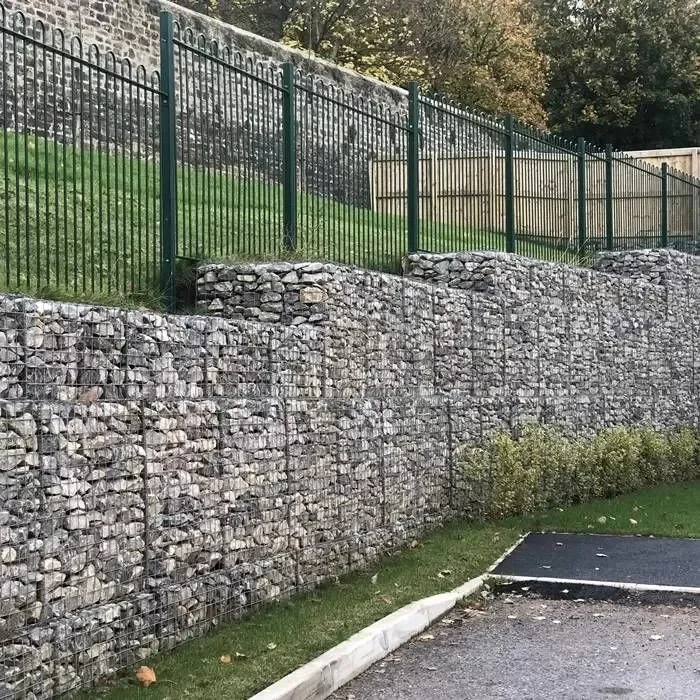
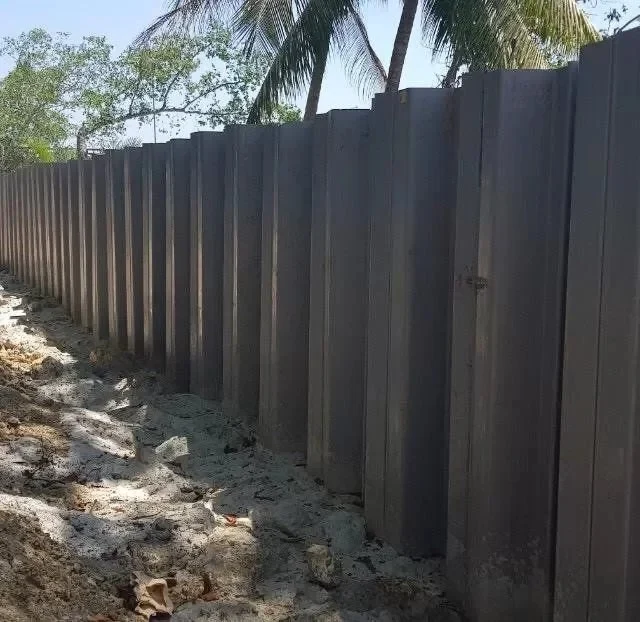
These are structural systems, not types of landscape block. A cantilever wall uses a designed wall and footing arrangement; sheet-pile and anchored systems use different structural elements and ground support. They should not be selected from a decorative block catalog or treated as an interchangeable backyard detail.
Mentioning these systems here does not mean every system is part of our residential wall offering. For a landscape project, start by describing the change in level, nearby structures and intended use; the assessment establishes the appropriate scope and any design input needed.
Seating walls and decorative borders
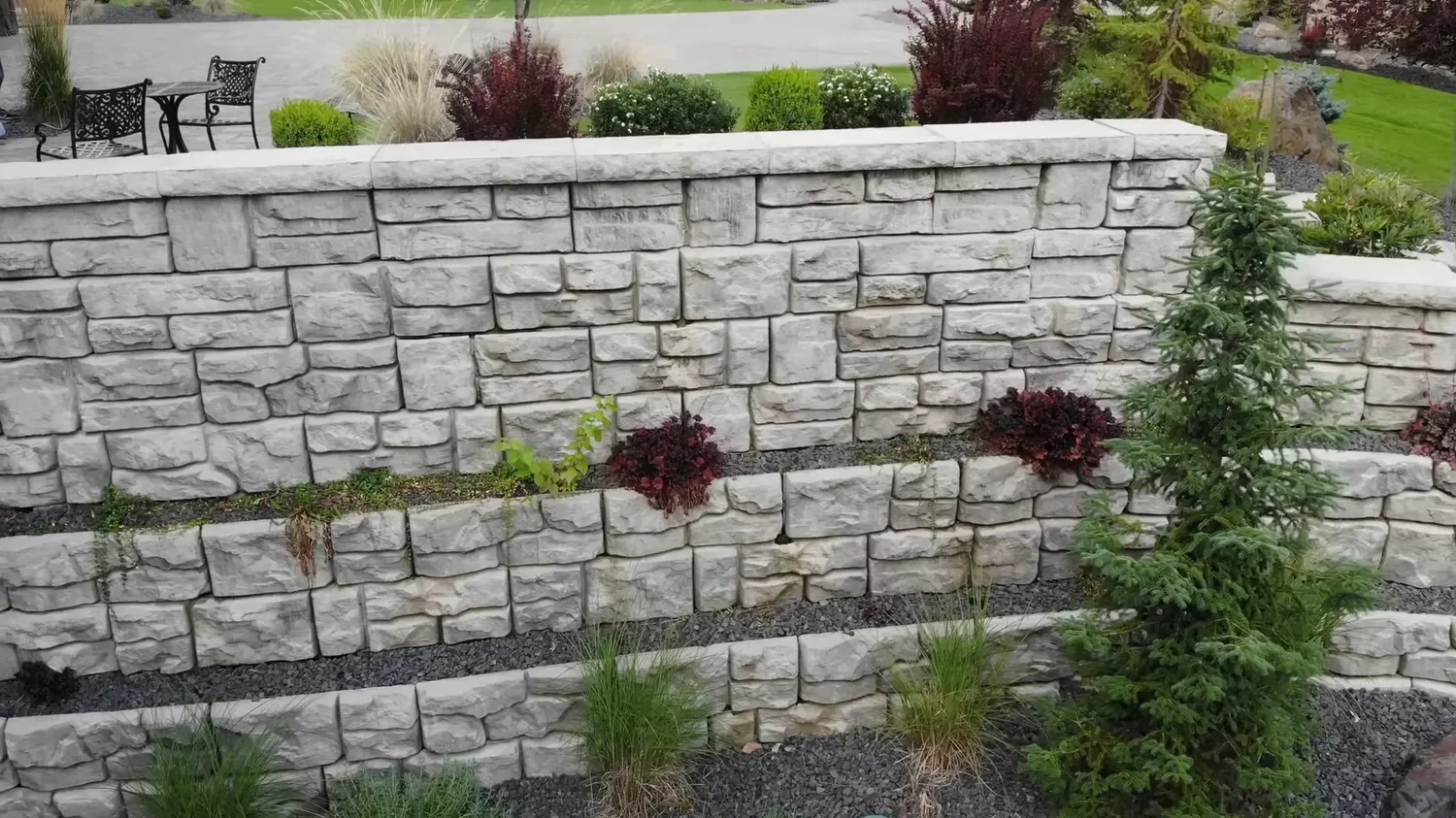
A freestanding seat wall can define the edge of a patio without retaining soil. If the same wall also holds back a higher planting bed or raised surface, its retaining function needs to be addressed. Choose the cap, finish and relationship to adjoining paver patios after establishing what the wall must do.
What to bring to a wall consultation
Share photos, the approximate change in level, available access and any survey or plans. Identify nearby driveways, buildings, pools and where water collects. Ask for the wall system, drainage, preparation and permit responsibilities to be stated in the written scope.
Perfect Pavers serves residential projects in Broward and Palm Beach Counties only. Commercial paver and hardscape projects are handled separately in Broward, Palm Beach and Miami-Dade Counties.